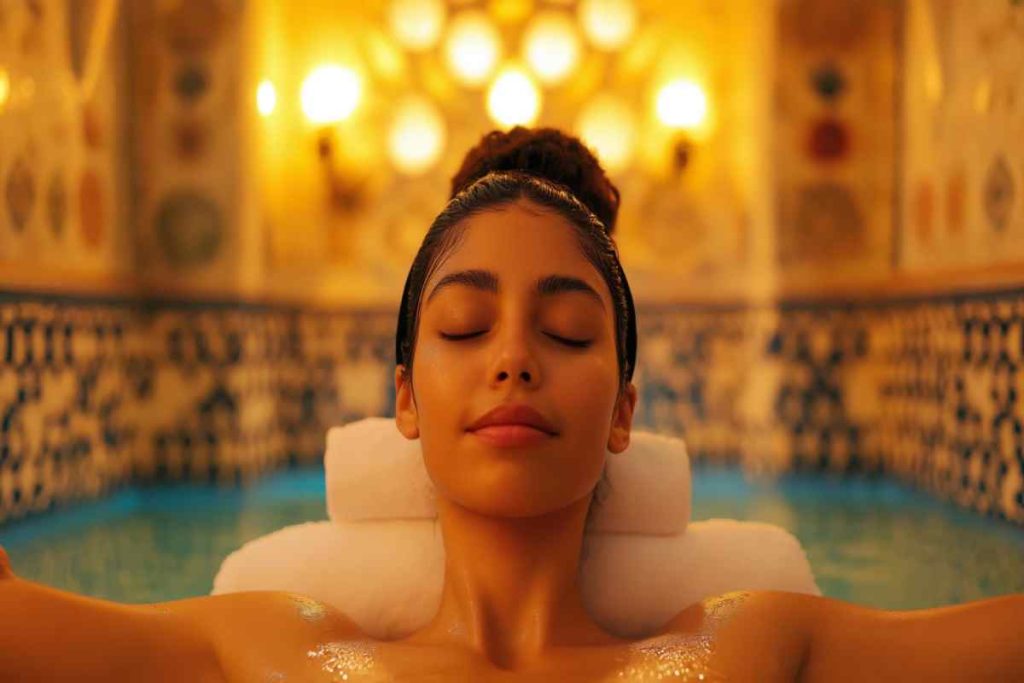
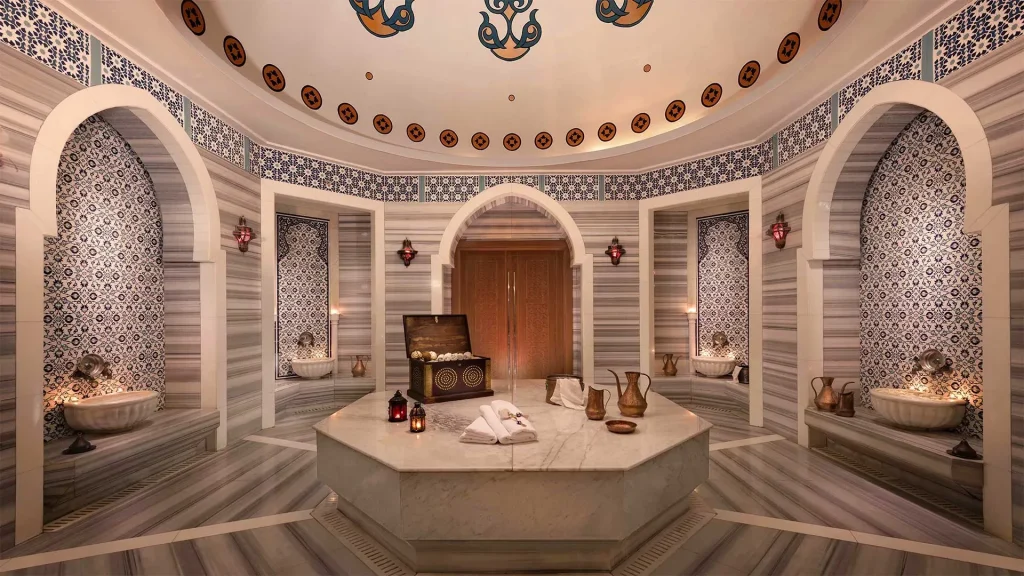
Traditional Turkish Hammam Treatments invite you into a multisensory ritual that blends heat, humidity, and time-honored techniques to cleanse the skin, relax tired muscles, and quiet the mind. Rooted in historic bath traditions, this journey moves from a warmly heated room to a cleansing kese exfoliation—a hammam scrub that reveals smoother skin beneath. The experience unfolds through a sequence of warm spaces, a thorough rinse, and a hydrating finish that leaves the skin soft and the senses alert. As steam softens the surface and tension dissolves, guests often notice improved circulation and a renewed sense of calm that lingers long after leaving. If you’re curious about these ancient therapies, a visit to a traditional hammam offers a culturally rich, skin-friendly introduction to global spa rituals.
In broader terms, this Turkish bath experience reflects a ritual of heat and cleansing that transcends geography, offering a ceremonial approach to relaxation. From the marble-clad rooms of old Istanbul to contemporary spa suites, practitioners guide guests through a well-orchestrated sequence inspired by Ottoman bath traditions and Turkish bath rituals. As the steam rises and the kese cloth glides, the emphasis shifts from mere cleansing to sensory nourishment, mirroring the popular steam room experience found in many wellness settings. For readers planning a visit, think of this traditional wellness practice as an adaptation for modern life, where exfoliation, oils, and mindful pacing meet spa-grade comfort.
Traditional Turkish Hammam Treatments: A Step-by-Step Immersive Ritual
Step into a warmth-infused chamber where heat and humidity coax the skin to awaken. The ritual blends temperature, steam, and deliberate breath to prepare the body for cleansing, evoking centuries of Ottoman bath traditions while remaining deeply present in a modern spa setting.
From the kese exfoliation to a generous soap foam massage, the sequence feels ceremonial and refreshing. The kese, a traditional hammam scrub using a textured cloth, gently lifts dull skin and primes absorption, while the soap massage lays a silky foam that cushions the skin, eases tension, and supports deeper relaxation. A final rinse with warm water seals moisture and leaves skin soft, hydrated, and ready for nourishing oils.
Hammam Scrub and Kese: The Exfoliation That Rejuvenates Skin
Exfoliation with the kese is the signature hammam scrub technique that renews the skin by removing dead cells and stimulating microcirculation. Practitioners tailor pressure to comfort, creating a tingling sensation that many guests find revitalizing within the steam room ambiance.
This exfoliation works in harmony with the steam room experience, warming the body and opening pores for deeper cleansing. Following the scrub, a generous soap massage blankets the skin in warm foam, promoting relaxation and improved circulation as fatigue melts away.
Soap Massage: Lathered Relaxation and Deep Tissue Renewal
The soap massage coats the body in rich, aromatic foam, forming a protective veil that lets skilled hands glide with ease. Long, sweeping strokes soften tense muscles and invite mental calm as warmth continues to cradle the skin.
Beyond cleansing, the foam massage targets stiffness in the shoulders, neck, and back, helping release knots and boost circulation. This pivotal step is a keystone of Turkish bath rituals, connecting physical renewal with a mindful, spa-like stillness.
Ottoman Bath Traditions and Etiquette in Modern Turkish Baths
Ottoman bath traditions frame more than technique; they shape etiquette, space, and the dignity of the overall experience. Expect reverent quiet, measured movements, and respect for others as heat and moisture intensify the sensory journey.
In a modern setting, communicating your needs with the attendant—pressure, sensitivities, and wrap or towel preferences—ensures comfort while honoring the long-standing etiquette. Understanding the sequence, from steam to rinse, helps you participate fully in the steam room experience and appreciate the bathhouse heritage.
Modern Variations: From Historic Istanbul Baths to Private Spa Settings
Around the world, historic Istanbul bathhouses inspire contemporary spa concepts that preserve the core elements—steam, hammam scrub, soap massage, and hydration—while adapting to private rooms and personalized care.
When choosing a venue, consider temperature control, privacy options, and whether add-ons like masks or targeted massages align with your preferences. This flexibility lets you experience Traditional Turkish Hammam Treatments with modern comfort while keeping the ritual’s essence and the related Turkish bath rituals alive.
Frequently Asked Questions
What makes Traditional Turkish Hammam Treatments distinct from a standard spa experience?
Traditional Turkish Hammam Treatments blend heat, humidity, and a multi-step ritual rooted in Ottoman bath traditions. The experience typically includes kese exfoliation (hammam scrub), a generous soap foam massage, and a hydrating finish, all performed in a marble-clad space to promote cleansing, relaxation, and well-being.
In Traditional Turkish Hammam Treatments, how does the hammam scrub (kese) fit into the ritual and what should you feel during it?
The hammam scrub (kese) is a central cleansing step that uses a textured cloth to exfoliate dead skin and renew surface brightness. Pressure is adjusted to your comfort—tell your attendant if it’s too intense. Expect a tingling, invigorating sensation as the skin is refreshed, often leading into a soothing soap foam massage.
What should you expect from the steam room experience during Turkish bath rituals in a traditional hammam?
The steam room experience in Turkish bath rituals opens the pores and softens the skin, preparing it for exfoliation and cleansing. The atmosphere is ceremonial and calm, typically followed by kese exfoliation and a soap massage to maximize relaxation and cleansing.
Are Ottoman bath traditions preserved in modern hammams, and how does that influence the experience?
Yes. Modern hammams retain core elements of Ottoman bath traditions—warmth, exfoliation, soap massage, and hydration—while adapting for comfort and privacy. The result is a ritual-like experience that feels timeless yet accessible in today’s wellness spaces.
What are the benefits of a soap massage in Traditional Turkish Hammam Treatments?
The soap massage cleanses deeply with warm, foamy lather while soothing the skin and relaxing tense muscles. It supports improved circulation, moisturizes the skin, and enhances the overall sense of calm and renewal after the exfoliation and rinse.
| Aspect | Key Points | Details / Notes |
|---|---|---|
| What it is | Multi-step cleansing ritual in a steamy, marble-lined room | Heat opens pores; moisture softens skin; exfoliation, massage, and hydration are central. |
| Core sequence | Five-step process: Warmth & Steam; Exfoliation (kese); Soap Foam Massage; Rinse & Hydration; Optional Add-ons | Designed for comfort, results, and preserving ritual dignity. |
| Common techniques & tools | Kese exfoliation with a rough cloth; generous soap foam massage; long, sweeping motions | Olive oil-based moisturizers and traditional tools are often used. |
| Benefits | Skin rejuvenation; improved circulation/detox; muscle relaxation; stress relief; hydration | Steam + massage + exfoliation promote overall well-being. |
| Key terms | Hammam scrub; Soap massage; Steam room; Ottoman bath traditions; Turkish bath rituals | Understanding terminology helps set expectations and communicate with practitioners. |
| Regional variations | Istanbul-style ceremonial grandeur vs modern resort adaptations | Public vs private rooms; temperature and privacy differences influence experience. |
| Etiquette & tips | Research venue, arrive clean, communicate needs, understand sequence, tipping | Respect privacy and comfort, adjust pressure as needed. |
| Context & guide | Historical and cultural significance; ritual, hospitality, and social aspects | The hammam serves as a community space as well as a spa protocol. |
| Getting the most | Patience, mindful presence, track comfort, relish textures, respect boundaries | Breathing and pacing enhance sensory enjoyment. |
Summary
conclusion