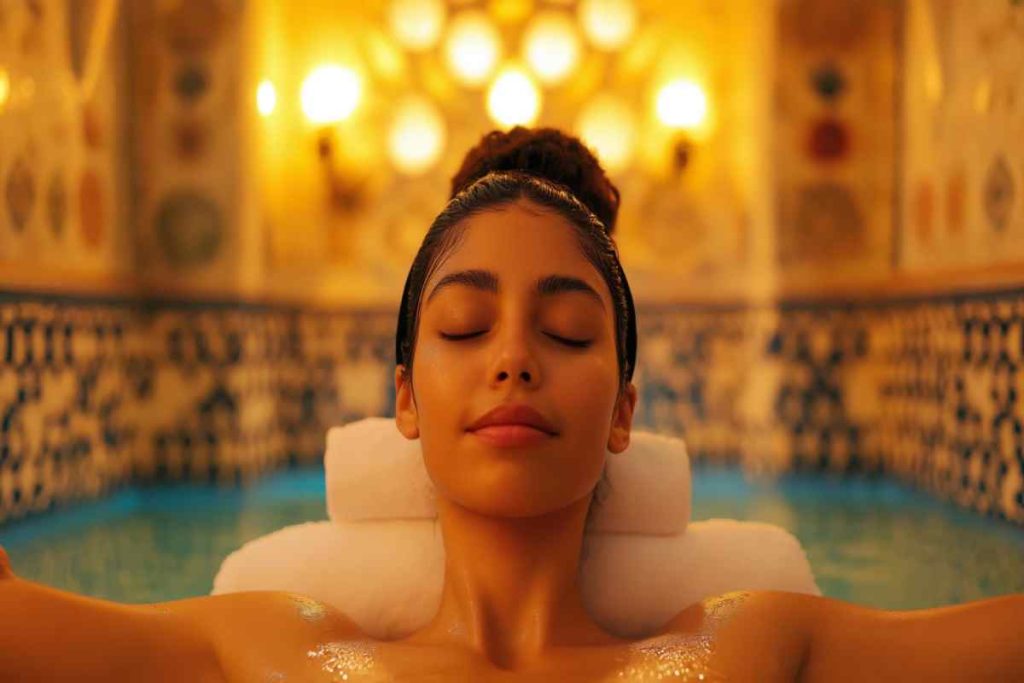
Turkish Hammam is more than a bath; it’s an immersive cultural ritual that blends ancient purification traditions with intimate social spaces. Entering the marble steam room, you feel heat and humidity wrap around you as the bustle of the outside world falls away, and a soft murmur of water and distant conversations grounds you in the moment. This guide outlines what the hammam ritual entails, from the sequence of heated rooms to the exfoliating kese and the foam massage. Expect a respectful pace, calming textures, and moments of quiet reflection that make the experience both cleansing and contemplative. With mindful participation, you can appreciate the sense of community that many visitors seek.
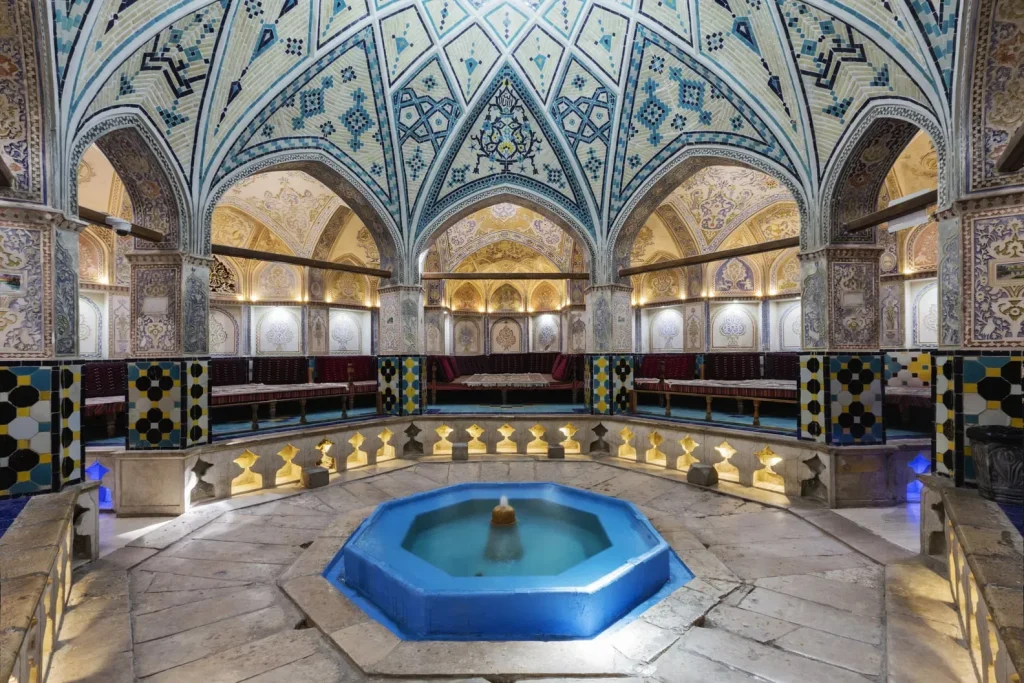
Across regions, the practice appears in many forms, from historic bathhouses with marble-lined chambers to modern wellness spaces that adapt the ritual for today’s guests. In Turkey and neighboring lands, this ceremonial cleansing is embedded in daily life as a social hub, a place for conversation, rest, and renewal. The sequence typically starts with heat to open pores, followed by skin-smoothing scrubs, and sometimes a soothing massage, all in a setting of quiet courtesy. Architecture and atmosphere—stone slabs, domed ceilings, and soft lighting—help frame the experience as more than cleansing, but a cultural immersion. Whether you’re visiting a venerable hammam in a historic city or a modern steam bath abroad, the essence remains a ritual of purification, hospitality, and well-being.
Understanding the Turkish Hammam: Origins, Culture, and an Authentic Hammam Experience
A Turkish hammam has roots in ancient bath traditions that traveled from Roman bathhouses through Ottoman culture. The experience is often described as a Turkish bath, but more than a shower or spa treatment, it is an immersive ritual that blends purification with social warmth. When people talk about an authentic hammam experience, they are seeking the rhythm, atmosphere, and communal space that define the hammam ritual.
The architecture and materials—marble slabs, domed ceilings, and softly reflective tiles—shape the cleansing ceremony as much as the hands of attendants. In these spaces, the steam and heat offer a sensory path to relaxation, while conversations and shared quiet moments cultivate a sense of belonging that is central to the hammam ritual and its traditions.
The Hammam Ritual: Step-by-Step for a Classic Turkish Bath Experience
Preparation matters. After changing into a pestemal and a towel, you enter a sequence designed to ease your body into the experience. The Hammam Ritual unfolds through a typical path: hot room to open pores, warm room to adjust to humidity, and a calm cool-down that signals the end of the cleansing phase. Many travelers pursue an authentic hammam experience to feel the full impact of the Turkish bath atmosphere and the deliberate pace of the ritual.
In the hot room, you’ll notice the heat and moisture drawing tension from the shoulders and back as the space encourages quiet reflection or soft conversation. The kese exfoliation and foam massage are signature moments of the Turkish bath experience, exfoliating skin and soothing muscles while you remain present in the rhythm of the ritual. A thorough rinse, a gentle massage, and a cooling rest complete the cycle, leaving skin refreshed and senses centered.
Hammam Etiquette: Respectful Practices for a Seamless Turkish Bath
Hammam etiquette sets the tone for a respectful, comfortable visit. Dress modestly in a pestemal and towel, speak softly, and let the attendant guide you through the steps, especially during the kese scrub. Observing hammam etiquette helps protect the experience for everyone and preserves the dignity of a practice that has connected communities for centuries.
Because traditional spaces are communal, listening and patience go a long way. Ask for preferred pressure, communicate any skin sensitivities, and follow the host’s lead when moving between rooms. By honoring these practices, you ensure an authentic hammam experience that remains mindful of others, while still enjoying the potential Turkish bath benefits of heat, cleansing, and relaxation.
Health, Safety, and Comfort in the Hammam
Safety and comfort begin with hydration and pacing. The heat can be dehydrating, so drink water between stages and listen to your body if you feel dizzy or overheated. People with certain medical conditions—pregnancy, skin conditions, cardiovascular issues—should check with a professional before visiting and inform attendants of any constraints. These precautions help you experience the Turkish bath benefits safely.
After the kese and massage, a light moisturizer supports skin recovery while the body returns to normal temperature. Resting on a cool surface or sitting with a calm beverage aids the cooldown and helps integrate the cleansing, exfoliation, and relaxation into a lasting sense of well-being.
Choosing an Authentic Hammam Experience: Finding the Right Turkish Bath in Any City
When choosing an authentic hammam experience, look for venues with marble interiors, long-standing reputations, and attendants who explain the process. An established hammam that respects tradition is more likely to deliver the full Turkish bath ritual you’re seeking. Consider this a search for an authentic hammam experience that balances heat, service, and privacy with cultural respect.
Read reviews for mentions of kese quality, staff guidance, and the overall pace of the ritual. Ask about private versus shared spaces, durations, and languages spoken. With the right questions and clear expectations, you’ll find a Turkish bath that feels thoughtful, welcoming, and true to its heritage.
Frequently Asked Questions
What is a Turkish Hammam and what defines an authentic hammam experience?
A Turkish Hammam is a public bathhouse built around heated rooms where cleansing meets a social ritual. An authentic hammam experience blends heat, exfoliation, and relaxation in a paced sequence—preparation with a pestemal, hot room, kese exfoliation, foam massage, rinse, optional massage, and a cool-down—set in marble and a calm, communal atmosphere.
What should I wear and what is proper hammam etiquette in a Turkish bath?
Most traditional Turkish baths require a pestemal wrap and a towel; wear modest attire and follow staff guidance. Speak softly, move slowly, and let attendants guide the kese if you’re new. Hydrate between stages and tip modestly as appropriate; these practices are part of hammam etiquette.
What are the health and wellness benefits of a Turkish bath?
A Turkish bath benefits include muscle relaxation and improved circulation from heat, thorough exfoliation that leaves skin smooth, and stress relief from the ritual’s calming pace. Regular visits can support skin health and a sense of well-being.
In the hammam ritual of a Turkish Hammam, what is the role of kese exfoliation and foam massage?
Kese is the traditional exfoliating scrub using a rough mitten performed by an attendant to remove dead skin and boost circulation. This is typically followed by a foam massage, where soap bubbles cleanse and soothe the skin. Together they form the core cleansing phase of the hammam ritual.
How can I choose an authentic hammam experience or Turkish bath that respects tradition?
Look for established hammams with marble interiors and a reputation for respectful service; ask staff to outline the ritual sequence and whether kese or foam massage is offered. Read reviews that mention heat balance and staff demeanor. Choose a venue that matches your comfort level, whether you want a full hammam ritual or a lighter spa-style experience.
| Key Point | Summary |
|---|---|
| What is a Turkish Hammam? | A public bathhouse rooted in Islamic world and Turkish/Balkan cultures, built around a sequence of heated rooms (hot, warm, cool) for cleansing, relaxation, and community, with marble, domed ceilings, and ornate tiles shaping the ritual atmosphere. |
| The Hammam Ritual: Step-by-Step | Typical sequence includes preparation (pestemal and towel), hot room to open pores, exfoliation (kese) and foam massage, rinse, optional massage with oils, and a cool-down to finish. |
| Etiquette | Dress modestly (pestemal and towel), speak softly, let attendants guide steps, stay hydrated, tipping is common in many places, and show appreciation. |
| Facilities and Styles | Common elements like multiple heated rooms, marble slabs, and ornate tiles; venues offer public and private options, with regional variations in practice and atmosphere. |
| Choosing an Authentic Experience | Seek established hammams with traditional interiors, read reviews about heat balance and attendants, ask staff about the process, and decide between a full ritual or a lighter spa-style experience. |
| Health, Safety, and Comfort | Hydrate, pace yourself if you feel overheated, inform attendants of medical concerns, and moisturize skin after exfoliation. |
| Benefits of an Authentic Hammam Experience | Muscle relaxation and improved circulation, exfoliation for smoother skin, stress reduction, mindfulness, and social connection within a time-honored tradition. |
| Tips for Getting the Most from Your Visit | Arrive early to acclimate, bring soap or cleansing oil, communicate preferences clearly, and consider pairing the visit with a light meal or tea afterward. |
| Personal Reflection | The hammam experience often feels meditative: steady steam, water sounds, and warm marble invite breath awareness, calm, and a renewed sense of well-being. |