Turkish hammam history is a tapestry of heat, ritual, and social exchange that bridges ancient bath culture with today’s wellness. From Roman thermae to Byzantine baths, the early foundations met Turkish sensibilities and laid the groundwork for a distinctive hammam culture. In the Ottoman era, public baths became pivotal social spaces, and the history of Turkish bath intertwined with Ottoman bath traditions, architecture, hospitality, and communal rites. Today, scholars and travelers discuss the Turkish bath revival as these ancient spaces are restored and reimagined for modern visitors. This enduring form also speaks through hammam architecture Turkey, where domes, marble, and ritual paths preserve a sense of shared cleansing and welcome.
Viewed through different lenses, the topic becomes a tapestry of steam rooms, ceremonial baths, and architecturally dramatic interiors that define a shared cultural ritual. Public bathhouses, or hammam complexes, function as social stages where visitors cleanse, converse, and connect with neighbors in a lingering, mosaic-lit atmosphere. The layered techniques—from kese exfoliation to heated marble benches—reflect a philosophy of hospitality embedded in Turkish urban life. Modern restorations emphasize conservation and interpretation, presenting these heritage spaces as living museums that blend heritage with contemporary comfort. If you map the lineage of these urban steam rooms, you’ll see a continuum of design, ritual, and community that resonates with travelers seeking authentic cultural experiences. In sum, the hammam story weaves architecture, ritual practice, and social etiquette into an enduring cultural heritage that continues to evolve.
Turkish hammam history: From ancient roots to a living tradition
The history of Turkish bath begins far before the term hammam became a household word in Turkey. Rooted in Roman thermae and Byzantine bath practices, it absorbed Islamic hygienic and therapeutic customs as civilizations transformed. Over centuries, the Turkish hammam history braided inherited techniques with local Turkish and Anatolian sensibilities, yielding rituals focused on purity, relaxation, and community. This long arc shows how cleansing spaces evolved from private spas to public assemble points that circulated ideas, hospitality, and social exchange.
As urban life grew, bathhouses migrated from mere rooms of heat into essential urban infrastructure, often placed near mosques, markets, and caravanserais. The early pattern—heated spaces, flowing water, and a sequence of warm, hot, and cool rooms—mirrored climatic needs and social rhythms. The result was more than cleanliness: a shared ritual where people gathered, negotiated, and observed etiquette, forming an integral thread in the broader tapestry of history of Turkish bath and its enduring appeal.
Hammam culture and ritual: The social fabric of cleansing and hospitality
Hammam culture unfolds through a carefully choreographed sequence that blends hygiene with social courtesy. The ritual typically begins in dressing rooms or antechambers, where guests prepare for cleansing, exchange greetings, and observe a code of etiquette that emphasizes respect and privacy within a shared experience. The sensory cues—the hiss of steam, the sound of water, and the tactile warmth of marble—set a contemplative mood that invites relaxation and social connection alike.
Exfoliation (kese) and soap return as central elements of the classic hammam experience, with attendants or guests using a rough mitt to renew the skin while oils and soaps soften and nourish. This ritual is more than cleaning; it is a meditative practice that fosters renewal and community. Across eras, hammam culture celebrated hospitality, quiet conversations, and the delicate balance between private moments and public warmth, reinforcing a social fabric built around cleansing, conversation, and shared well-being.
Hammam architecture Turkey: Designing spaces of heat, light, and ritual
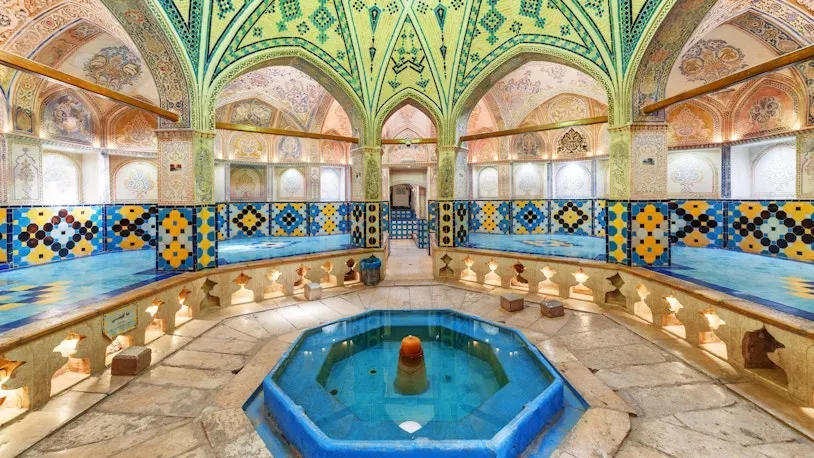
The architecture of the hammam is inseparable from its cultural meaning. Traditional plans center on a heated mosaic of rooms—a cooler antechamber, a warm waiting area, a hot room with a domed ceiling, and a marble slab that radiates heat. The domes, tiles, and careful acoustics work together to distribute heat, reflect light, and create a serene atmosphere that supports a deliberate pace of ritual. This hammam architecture Turkey embodies a sculpted balance of form and function, where space itself becomes a conductor of warmth and calm.
Materials and craft are central to the sensory experience: bold white marble, smooth tiles, and robust woodwork create a luminous yet intimate environment. Proper airflow ensures comfort even during peak hours, while the interplay of light and shadow elevates the moment of cleansing into a ceremonial pause. The architectural language thus reinforces the hammam’s purpose as a place of heat, steam, and mindful renewal.
Ottoman bath traditions and the public bath as social fabric
During the Ottoman era, the hammam reached a pinnacle of cultural significance as a public space that bridged daily life and ceremonial practice. Bathhouses often featured distinct sections for men and women, organized around a central heat source, domed ceilings, and marble interiors designed to retain warmth and moisture. A visit would typically begin at the forecourt, then progress through a sequence of warming and hot rooms where steam prepared the body for cleansing and social exchange.
More than cleansing, these bathhouses served as hubs for commerce, negotiation, and rites of passage. Weddings, naming ceremonies, and postnatal visits found a place within their steaming rooms or adjacent parlors. The Ottoman bath traditions fostered hospitality, sociability, and communal etiquette, making the hammam a microcosm of city life—a space where public and private worlds intersected through warmth, ritual, and conversation.
Turkish bath revival and cultural tourism: Wellness meets heritage restoration
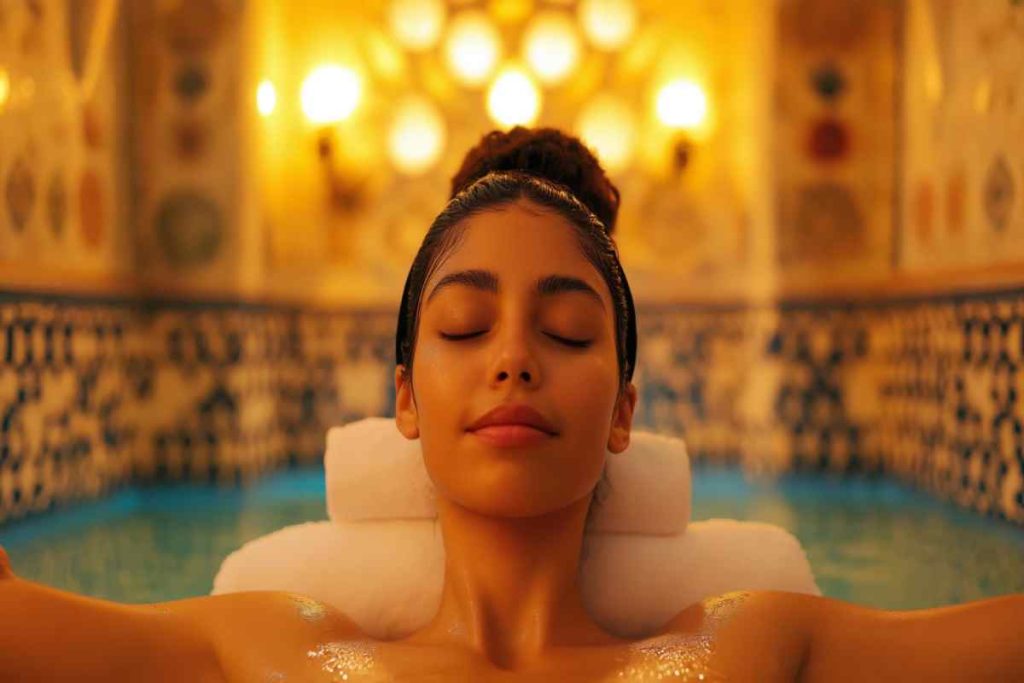
Today, the Turkish bath revival blends heritage preservation with contemporary wellness and cultural tourism. Historic hammams in Istanbul, Cappadocia, and coastal towns are being restored to respect original geometry and decorative motifs while adding modern comforts like private changing rooms, improved ventilation, and spa treatments. This modern revival preserves the sensory cues that define the experience—steam, mosaic patterns, and the hushed cadence of attendants—while inviting new visitors to engage with history through a wellness lens.
A key aspect of the Turkish bath revival is positioning the hammam as a living museum that is also a functional spa. Guided sessions explain the hammam history, kese rituals, and the science of steam and heat therapy, helping travelers connect with tradition while benefiting from contemporary care. This revival also broadens participation through photography tours, culinary experiences, and educational programs, ensuring that hammam culture remains vibrant, inclusive, and economically sustainable for future generations.
Frequently Asked Questions
What is the history of Turkish bath and how did it evolve into Ottoman bath traditions?
The history of Turkish bath traces roots in Roman thermae and Byzantine baths, later absorbing Islamic hygienic practices and adapting to urban life in the Ottoman era. Public baths were more than cleansing spaces; they functioned as hospitality hubs and sites for rites of passage, linking ancient ritual cleansing to a distinct Ottoman bath culture that informs the modern revival.
How did hammam architecture Turkey shape the visitor experience in Turkish hammam history?
Hammam architecture Turkey centers on a heated, modular sequence—domed ceilings, heated marble surfaces like the göbek taşı, and separate gender spaces—that guides guests through warm and hot rooms. This design supports the ritual flow of heat, steam, and cleansing, making the experience deeply tactile and spiritually ceremonial in Turkish hammam history.
What role did hammam culture play in Ottoman bath traditions and daily urban life?
Hammam culture was the social backbone of Ottoman bath traditions, offering space for business, greetings, and rites of passage within a warm, communal setting. Etiquette, hospitality, and shared ritual spaces molded daily life, turning baths into centers of social exchange and cultural continuity.
What factors led to decline in the 19th and early 20th centuries, and how did the Turkish bath revival begin?
Industrial modernization and Western influences in the 19th and early 20th centuries led to closures, disrepair, or repurposing of many hammams. The Turkish bath revival emerged as communities and institutions restored historic baths, blending heritage with modern hygiene standards and tourism needs.
How is the modern Turkish bath revival reshaping hammam culture and heritage tourism today?
Today’s Turkish bath revival integrates wellness trends with cultural tourism, restoring historic hammams while adding modern comforts like private changing rooms and improved ventilation. Visitors experience a guided journey through kese, steam, and Ottoman-era hospitality, keeping hammam culture vibrant in a global wellness landscape.
| Aspect | Key Points (English) |
|---|---|
| Origins and Early History |
|
| Ottoman Era: Social Fabric |
|
| Hammam Culture and Rituals |
|
| Architecture and Space |
|
| Decline to Revival and Modern Transformation |
|
| Modern Revival and Global Context |
|
Summary
Turkish hammam history is a living thread connecting antiquity with contemporary wellness. From ancient bathhouses near mosques to Ottoman social hubs, the hammam’s architecture, rituals, and community roles reveal a culture of hospitality and ritual cleanliness. Today, the modern revival preserves originality while adding private changing rooms and modern spa treatments, inviting visitors to participate in a structured yet intimate ritual. As restoration efforts balance heritage with sustainability, Turkish hammam history offers a blueprint for cultural preservation and responsible tourism. Ultimately, it remains a symbol of Turkish culture, bridging past and present through heat, steam, and shared experience.